
Astra X10 vs. PVS-14: A Serious Digital Alternative for Real Night Use
The PVS-14 has dominated night vision for decades—battle-proven, but fragile and expensive. The Astra X10 isn't a budget knockoff; it's a digital NVG built to perform at the level serious users actually require.
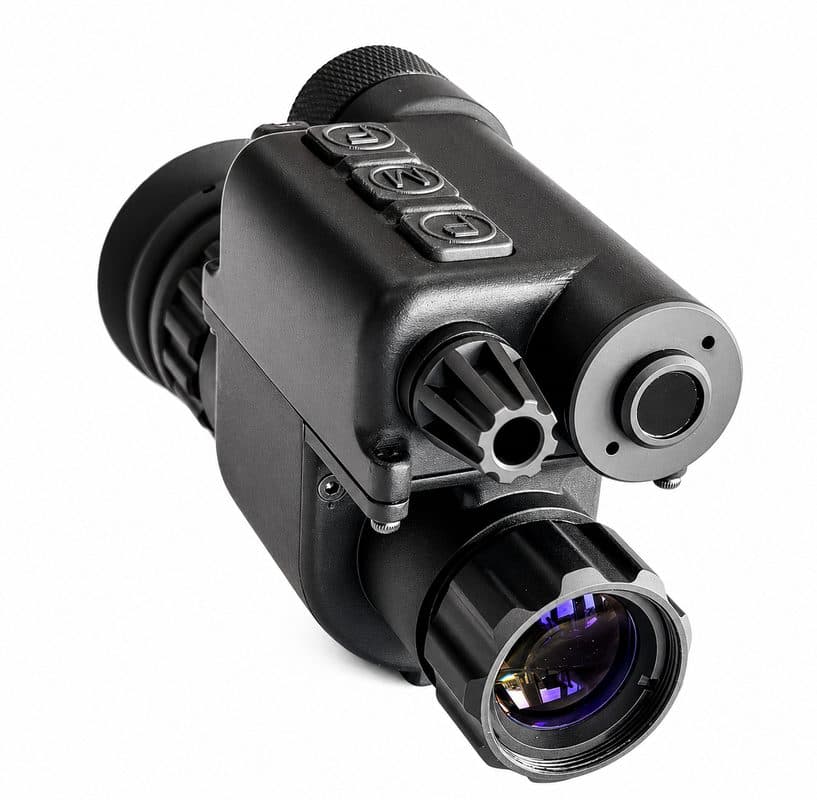
Night vision technology has long been dominated by analog systems like the PVS-14—trusted, battle-proven, and undeniably effective. But they come at a steep price, require careful handling, and demand some level of training to use properly. Enter the Astra X10: a digital NVG engineered to deliver analog-level confidence with digital-era capability—built for serious use, not consumer novelty.
Let's break down why the X10 is a serious alternative for users who actually move, navigate, record, and train at night.
1. Comparable Low-Light Performance—Without the Downsides
Traditional PVS-14 systems rely on amplifying weak ambient light—moonlight, starlight, and other natural sources. The Astra X10 follows a similar philosophy. It performs exceptionally well in low-light environments without relying on infrared (IR) illumination in most cases.
For extremely dark scenarios, the X10 includes a built-in IR light, comparable in function to add-on illuminators used with analog systems. The key difference? It's already integrated, compact, and ready when needed.
2. High Frame Rate = Near-Zero Latency
One of the biggest weaknesses of digital night vision has historically been lag. Many devices operate at 40–60 frames per second, which can introduce noticeable delay—especially during movement.
The Astra X10 changes that:
- 100 frames per second
- Less than 10 ms latency
This combination results in a viewing experience that feels almost instantaneous. In practical terms, you won't notice lag unless you're moving at very high speeds. For most users—whether walking, scanning, or operating equipment—the experience is smooth and natural.
3. More Than Just Vision: Recording & Versatility
Unlike analog systems like the PVS-14, the X10 isn't just for viewing—it's a multi-functional device:
- Record video
- Capture photos
- Operate in bright light environments
That last point is critical. Traditional night vision devices can be permanently damaged if exposed to strong light. The X10 has no such limitation, making it far more forgiving and versatile across different environments.
4. No Special Training Required
PVS-14 units are powerful but come with a learning curve. Improper handling, incorrect adjustments, or accidental exposure to bright light can lead to costly damage.
The Astra X10, on the other hand, is user-friendly:
- Plug-and-play operation
- No risk of light damage
- Minimal learning curve
This makes it accessible to a much broader audience—from beginners to experienced users who just want a simpler solution.
5. Strong IR Performance
While both systems can utilize infrared, the X10 has an edge in detecting IR sources:
- Clearer pickup of IR lasers
- Stronger performance in IR-assisted environments
For users who rely on IR tools, this can be a significant advantage over traditional analog systems.
6. An Attractive Entry Point Into Serious NVG Performance
The Astra X10 is priced as a serious tool, not a consumer gadget. It costs less than a premium analog tube, but that's because it sits in a different category—not because it cuts corners on capability.
The right way to think about the market today:
- Premium analog (PVS-14 and above): proven, established, expensive—and constrained by fragility, ITAR, and lack of recording.
- Toy-grade digital: cheap, low-resolution, high-latency—not viable for any serious use.
- Astra X10: serious digital NVG performance at a price that opens real night vision to operators, professionals, and enthusiasts who can't justify—or aren't allowed to own—premium analog.
This isn't about being the cheapest option. It's about being the first digital NVG that crosses the trust threshold for real night use—at a price that reflects what it can actually do.
Final Thoughts
The PVS-14 remains a respected and capable piece of equipment, especially in professional and military contexts. But for most users, the Astra X10 offers a smarter balance of performance, usability, and cost.
You get:
- Comparable low-light capability
- Superior frame rate and latency
- Built-in recording and photo features
- Resistance to bright light damage
- Strong IR detection
And all of it priced as a serious tool, not a luxury or a toy.
For users who actually move, train, and operate at night, the Astra X10 isn't a compromise on the analog standard. It's a digital NVG that finally crosses the trust threshold—analog-level confidence with digital-era capability.